
Why Authentic Visuals Are Replacing Staged Photography 📸
- Apr 27
- 2 min read
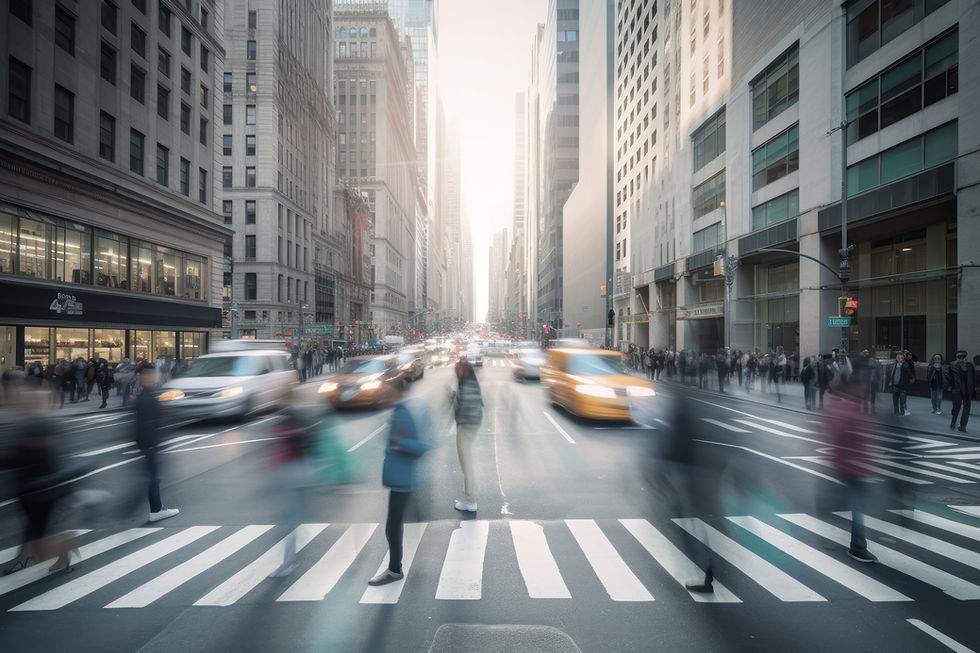
In today’s fast-moving digital landscape, audiences are consuming more visual content than ever before. From social media feeds to digital advertising and brand websites, people are constantly exposed to imagery and as a result, they’ve become more discerning. One of the most noticeable shifts in recent years is the move away from overly polished, staged photography toward authentic visuals that feel real, relatable, and emotionally engaging.
Traditional stock photography once relied heavily on perfection. Images were carefully staged, models were posed, and lighting was meticulously controlled to create an idealized version of reality. While this approach served its purpose in the past, it often lacked emotional depth. Today’s audiences are no longer looking for perfection, they’re looking for connection. This is why authentic stock photos, candid photography, and natural lifestyle imagery are becoming the preferred choice for brands and creators.
Authentic visuals work because they reflect real life. They capture moments as they happen, unfiltered, imperfect, and human. Whether it’s a spontaneous laugh between friends, a quiet morning routine, or a moment of reflection, these visuals resonate because they mirror everyday experiences. This sense of familiarity builds trust, making audiences more likely to engage with the content. In contrast, overly staged visuals can feel distant or artificial, creating a disconnect between the brand and its audience.
Another major driver behind this shift is the rise of visual storytelling in content marketing. Brands are no longer just selling products or services they are telling stories. These stories need to feel genuine, and authentic visuals play a crucial role in achieving that. Instead of simply presenting a product, brands are showing how it fits into real lives, real moments, and real emotions. This approach transforms content from promotional material into something meaningful and memorable.
Social media has also played a significant role in shaping this trend. Platforms like Instagram, TikTok, and LinkedIn have normalized a more casual, behind-the-scenes style of content. Users are drawn to visuals that feel spontaneous and unpolished, as they align more closely with how people naturally document their lives. This has influenced brands to adopt a similar style, using realistic photography, natural lighting, and candid compositions to stay relevant and engaging.
From a practical standpoint, authentic visuals are also more versatile. They can be used across a wide range of industries from wellness and education to technology and lifestyle because they focus on universal human experiences. This makes them a valuable asset for marketers looking to create content that resonates with diverse audiences.
123RF’s collection reflects this growing demand by offering a wide range of authentic lifestyle images, emotional storytelling visuals, and real-world scenarios. Instead of relying on generic or overly staged content, creators can find imagery that feels organic and relatable. From candid portraits to everyday environments, these visuals help bring stories to life in a way that feels genuine.
Looking ahead, the shift toward authenticity is only expected to grow. As audiences continue to prioritize transparency and relatability, brands that embrace authentic photography trends and natural visual content will have a clear advantage. The future of visual content isn’t about perfection; it’s about honesty, emotion, and connection.



Comments